A cathedral that grew with the city
From medieval foundations to modern restoration, Stephansdom reflects Vienna's history chapter by chapter.
Table of Contents
From Romanesque roots to Gothic ambition
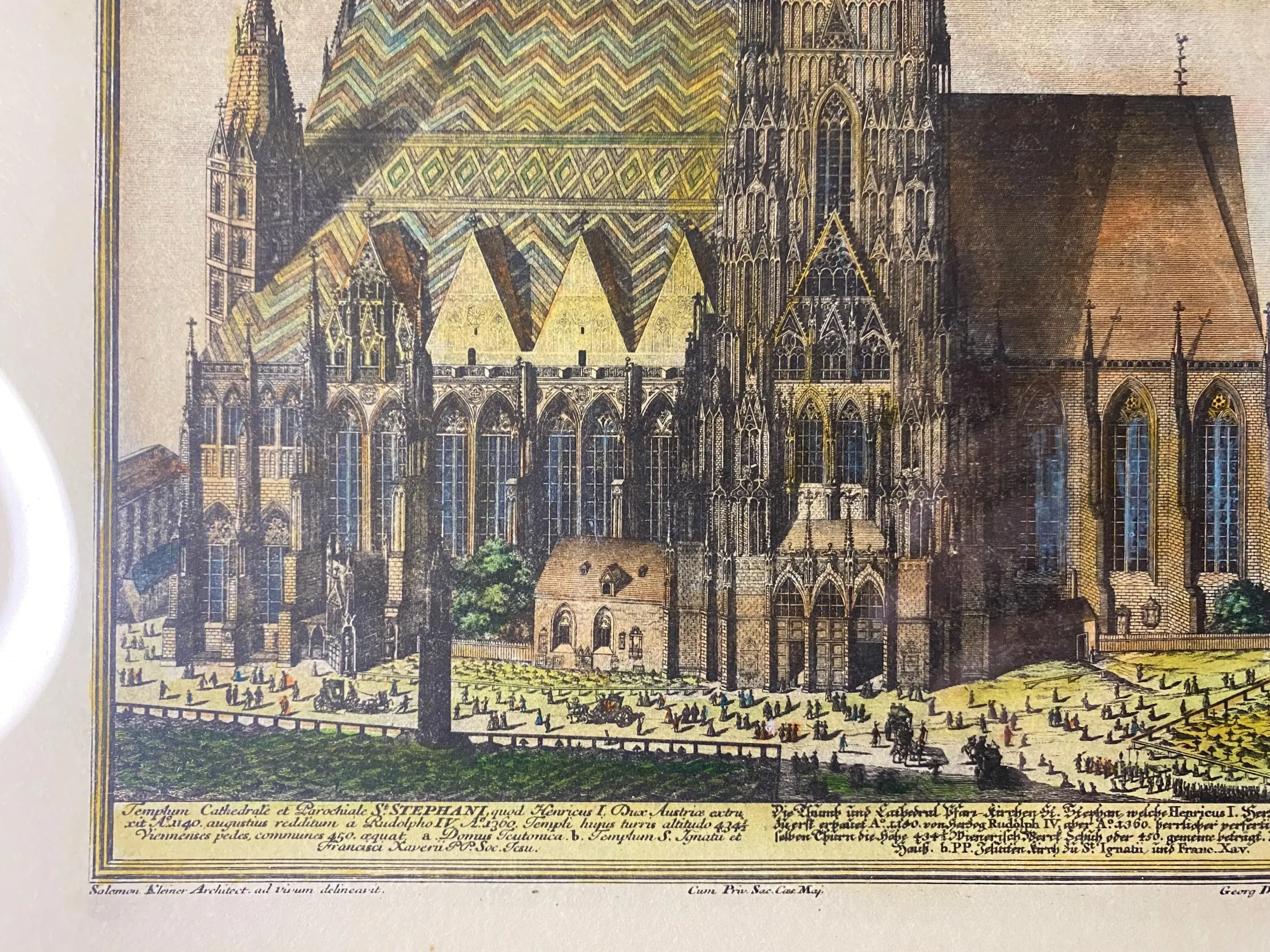
Long before the cathedral became Vienna's unmistakable skyline marker, this site held earlier sacred structures tied to the growth of the medieval settlement. The first substantial church here emerged in the Romanesque period, when Vienna was still defining its political and commercial role in Central Europe. As the city gained influence through trade routes and dynastic power, the church's role expanded from local parish center to an institution closely woven into civic identity and public ritual.
What visitors see today is the result of long architectural ambition rather than a single construction campaign. Over generations, Romanesque foundations were absorbed into a bold Gothic vision, with masons, sculptors, and patrons continuously reshaping the structure. The result is not just a monument but a layered document in stone, where different centuries speak to each other through arches, towers, and carved programs that still communicate ideas about faith, authority, and communal memory.
The medieval city grows around Stephansplatz
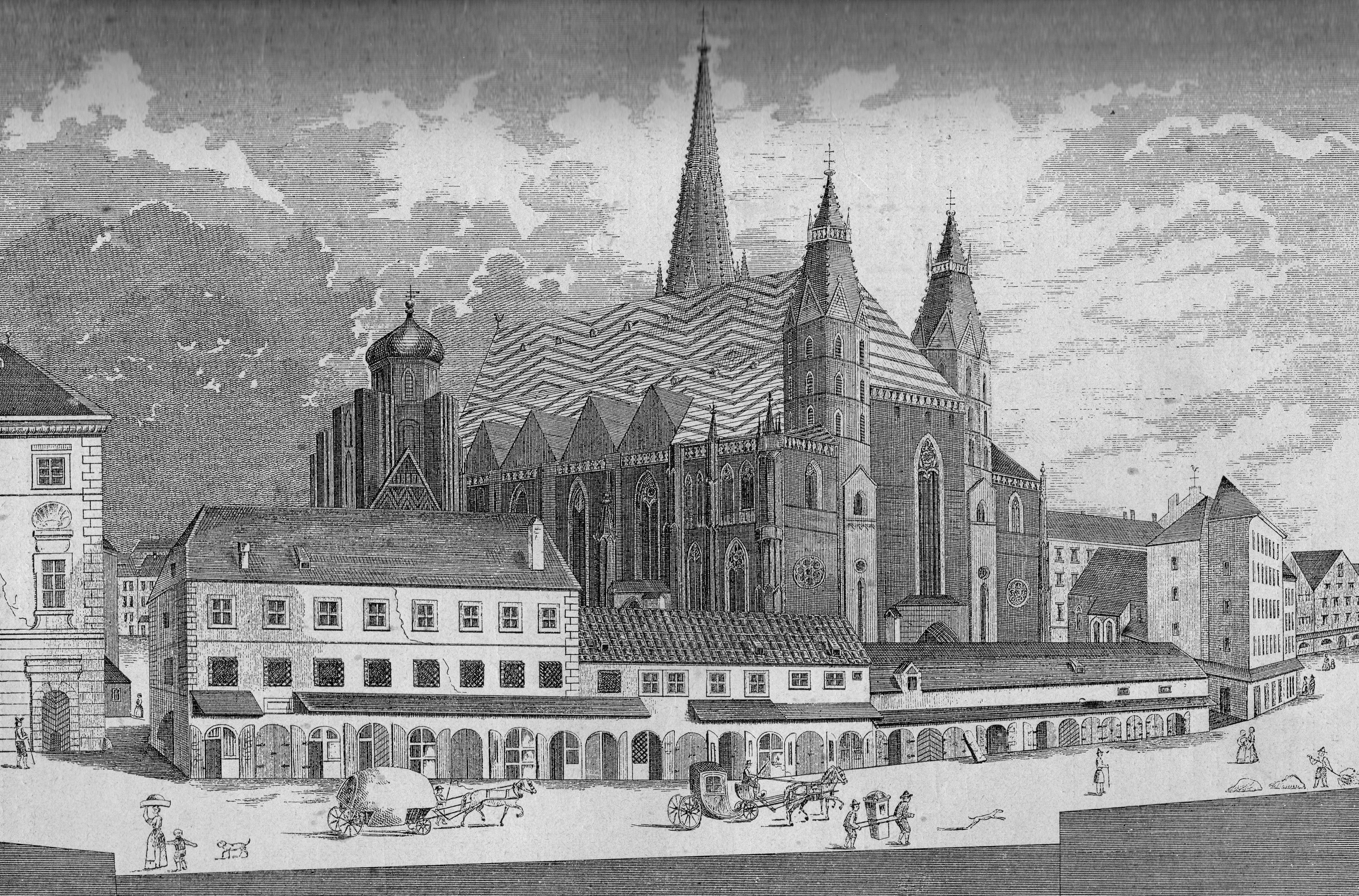
In medieval Vienna, the cathedral was not merely a backdrop but a true urban anchor. Markets, guild traffic, legal announcements, and processions unfolded in the surrounding streets, while church bells structured daily rhythms from dawn to evening. The square around Stephansdom became a place where sacred and practical life intertwined naturally: merchants negotiated contracts nearby, pilgrims arrived with hopes and offerings, and residents marked life's milestones within the church walls.
As fortifications shifted and neighborhoods expanded, the cathedral remained a constant reference point both physically and symbolically. Even today, walking through the old center, it is easy to sense this continuity. The same square that welcomes modern metro commuters and café-goers once hosted medieval pageantry and urgent civic decisions, reminding visitors that Vienna's present-day elegance stands on an intensely lived and often complex urban past.
Craft guilds, merchants, and cathedral life
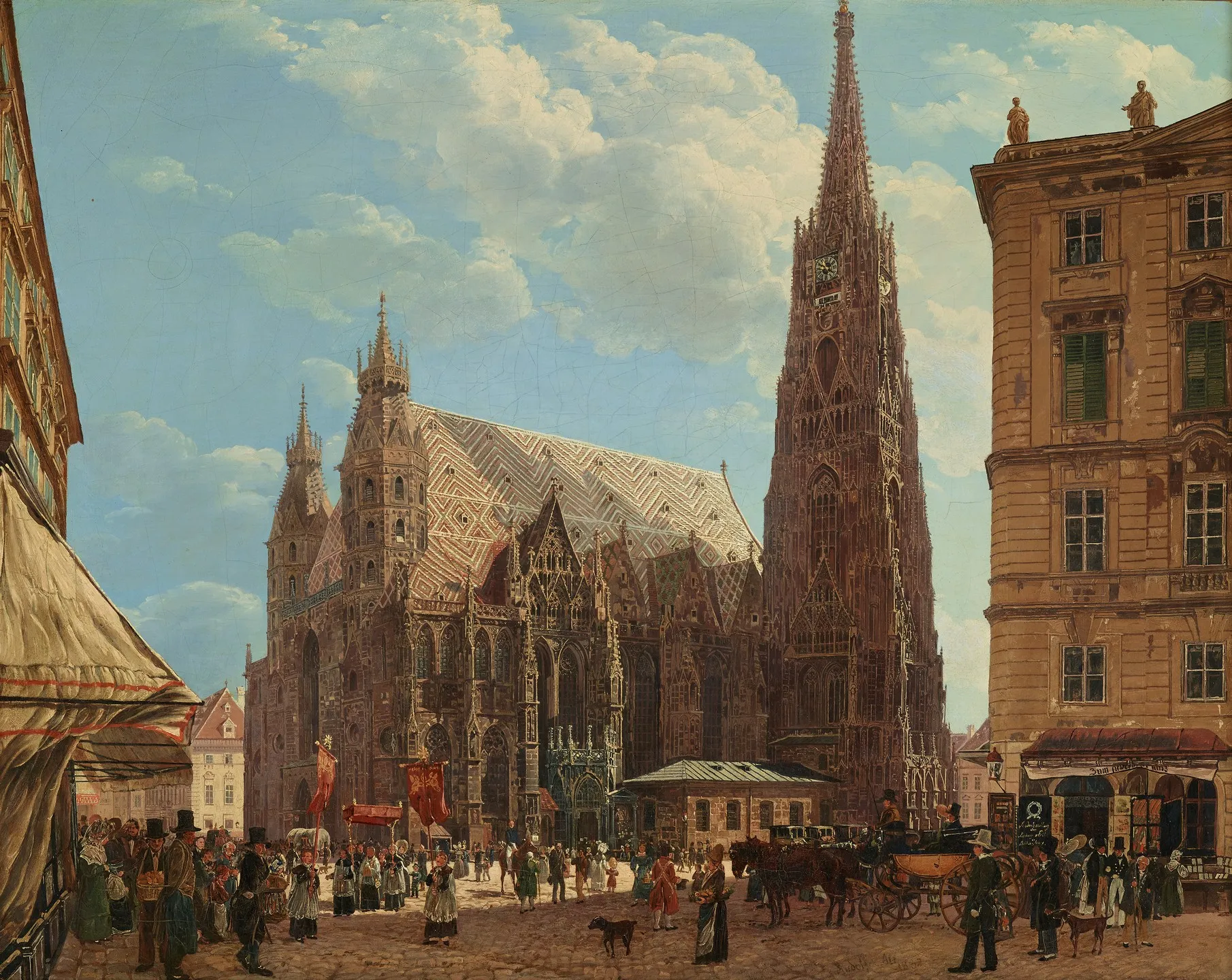
The cathedral's development depended on a broad social ecosystem: clergy, noble patrons, skilled stoneworkers, carpenters, glaziers, metalworkers, and transport laborers who supplied massive quantities of material. Guild structures influenced both the speed and quality of construction, and competition among workshops often pushed technical innovation. Decorative choices were not arbitrary; they communicated theology, civic aspirations, and social hierarchy in a language that medieval audiences understood immediately.
For merchants and craftsmen, supporting the cathedral could be an act of piety, prestige, and practical reputation at once. Chapels and memorial donations created enduring links between families, trades, and sacred space. This fusion of devotion and urban economy is part of what gives Stephansdom its unusual vitality: it was never a detached royal project alone, but a structure nourished by many layers of Viennese society across centuries.
The South Tower and civic pride
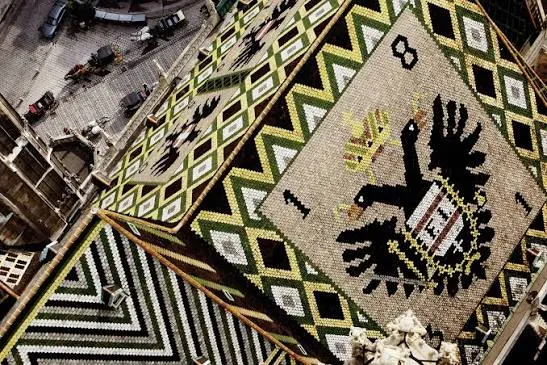
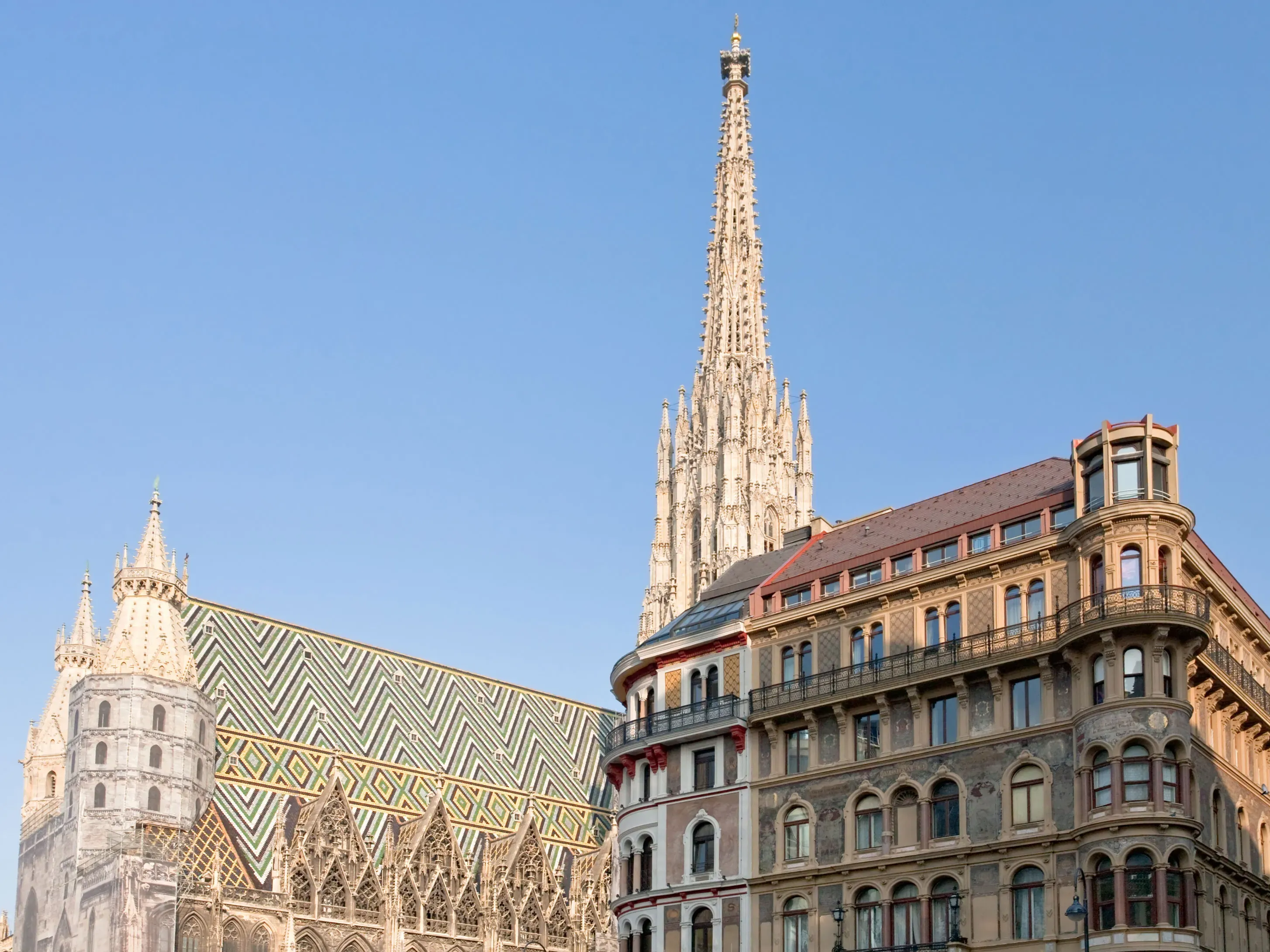
The South Tower, often the image people associate first with Stephansdom, represented far more than architectural bravado. In late medieval Europe, vertical building was a statement about spiritual aspiration and civic confidence, and Vienna's tower projected both. Its intricate stonework, commanding height, and visual dominance over the city announced that Vienna was not peripheral but central to regional political and cultural currents.
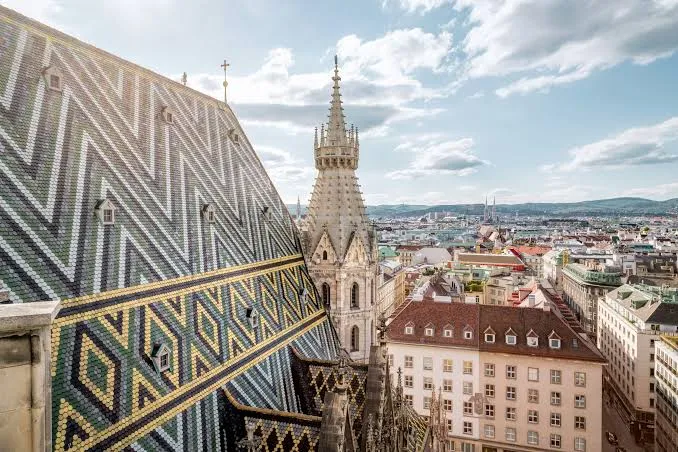
Climbing the tower today, visitors physically retrace a symbolic ascent that once carried theological meaning and social status. From above, the patterned roof, old lanes, and later imperial avenues reveal how the city accumulated in layers. The view clarifies a key historical truth: St. Stephen's is not an isolated relic but an active participant in Vienna's long urban narrative.
Imperial rites and Habsburg Vienna
As Habsburg influence deepened, the cathedral gained additional political resonance. Ceremonies linked to dynastic life, public mourning, military crisis, and thanksgiving reinforced the church's role as a stage where religion and statecraft met. Even when imperial institutions shifted geographically or administratively, Stephansdom remained one of the spaces where power was ritualized before the public eye.
This did not erase its parish dimension; rather, the building held both scales at once. A grand liturgy could unfold for elite audiences while ordinary Viennese continued to baptize children, attend mass, and seek consolation in side chapels. That dual role, imperial and intimate, helps explain why the cathedral still carries emotional weight for very different communities today.
Music, memory, and sacred ceremony
Like many major Central European churches, St. Stephen's has long been a place where architecture and sound shape each other. Organ music, choral traditions, and liturgical acoustics transformed ceremonies into immersive experiences, imprinting memory through resonance as much as through words. For generations, major feast days and civic moments were remembered not only by visual spectacle but by the soundscape that filled the nave.
Visitors today still notice this immediately: even a brief musical passage can make the vast interior feel deeply personal. In this sense, the cathedral's history is not only written in archives and masonry but also in repeated acts of listening, singing, and collective silence. These intangible layers are part of what makes the site feel alive rather than museum-like.
Fire, war, and reconstruction
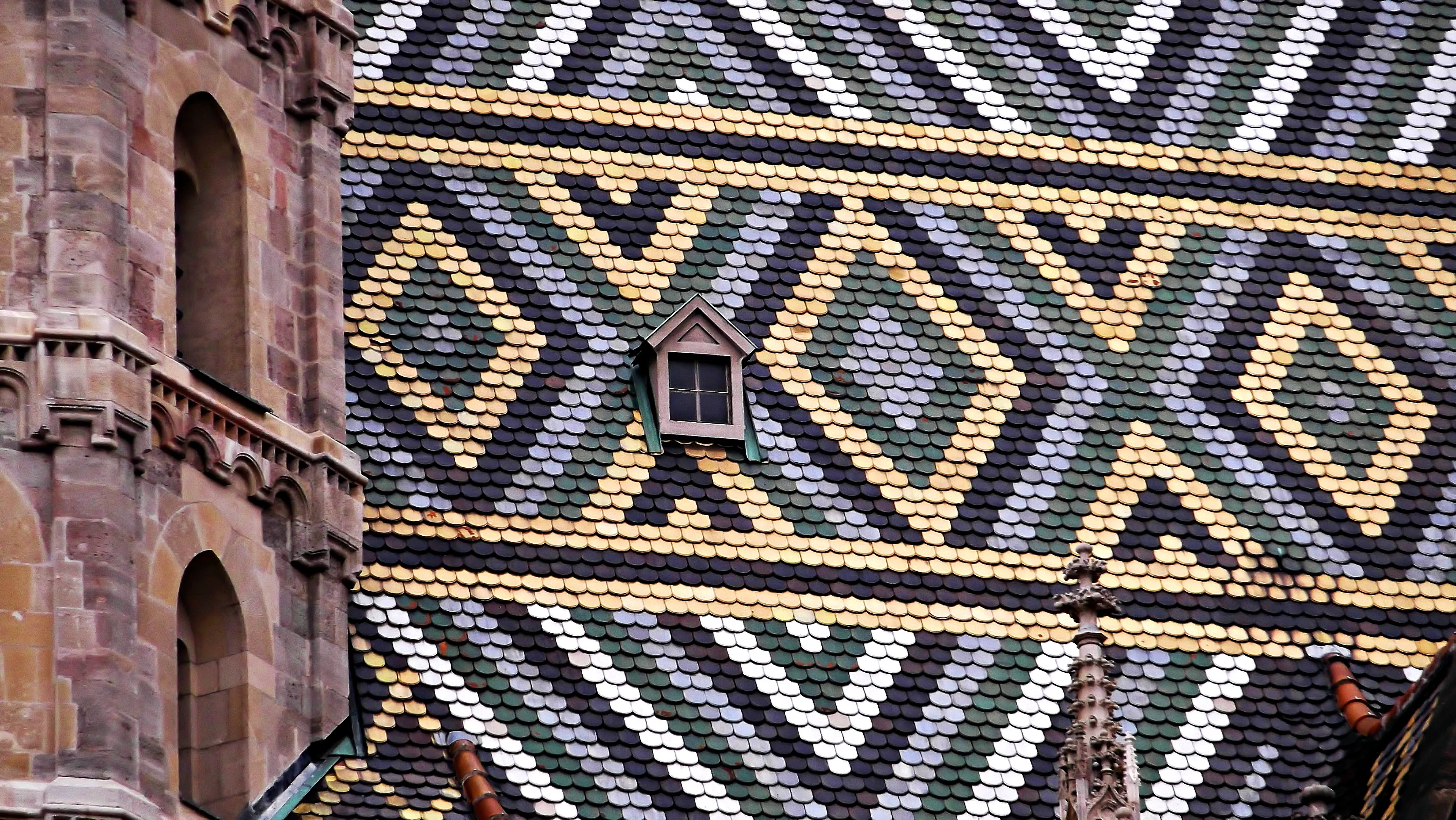
One of the defining modern chapters in the cathedral's story is destruction and rebuilding in the final phase of the Second World War. Fire severely damaged parts of the structure, including the famous roof, and the loss was experienced by many as a symbolic wound to the city itself. In the difficult post-war years, reconstruction became both a technical challenge and a public act of cultural recovery.
The restoration process required engineering precision, artistic discipline, and social commitment, as communities, institutions, and specialists worked to recover not just a building but a shared reference point. When visitors admire the roof today, they are seeing a crafted continuity between past and present, where conservation choices acknowledge historical trauma while affirming the cathedral's ongoing role in Viennese life.
Catacombs, burials, and urban reality
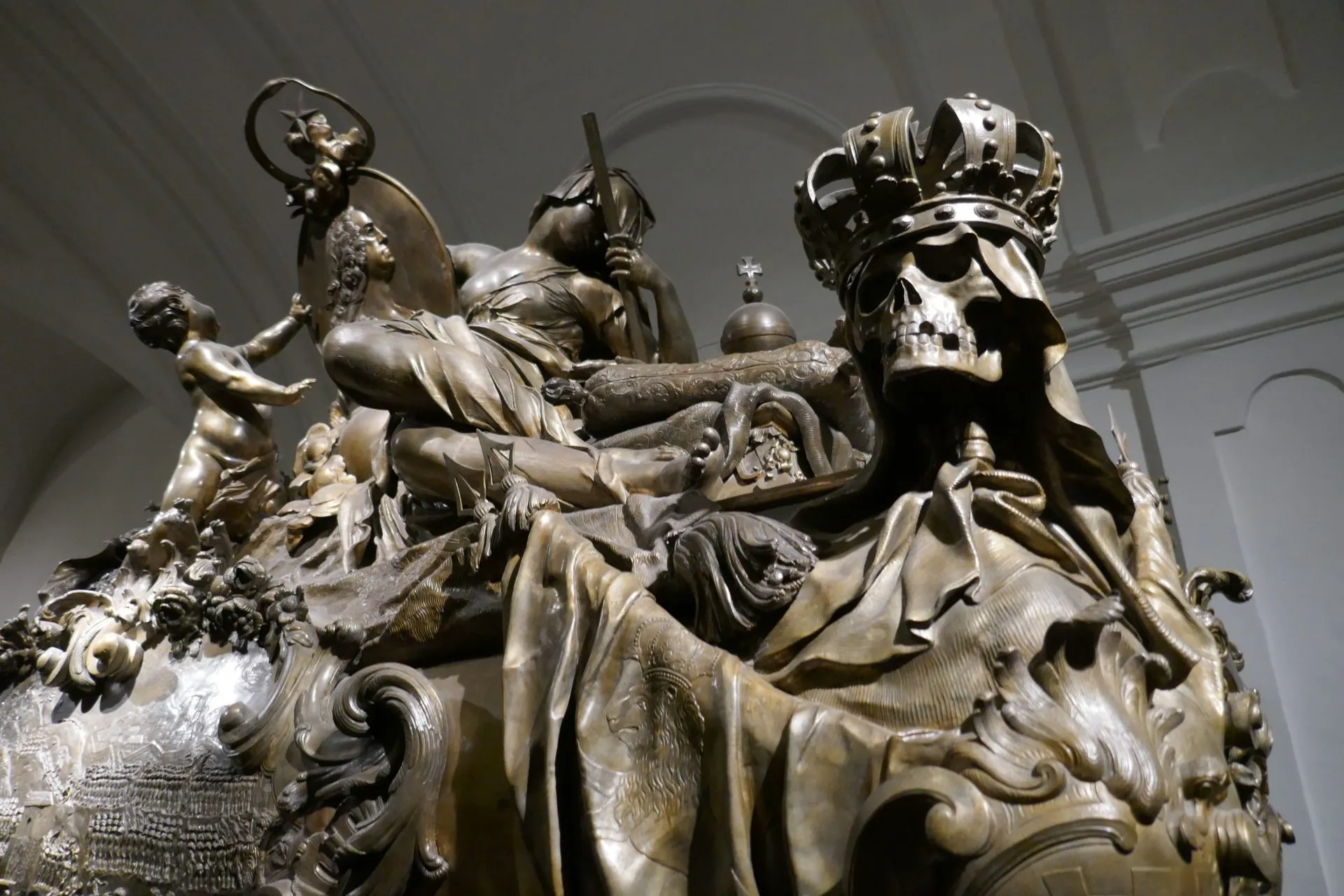
Below the monumental interior lies a less visible but equally important historical layer: the catacombs and burial zones linked to earlier public health crises, religious customs, and social stratification. These spaces remind us that pre-modern cities confronted mortality very directly. During epidemic periods and demographic pressure, burial practices reflected both necessity and belief, creating underground records of urban resilience and vulnerability.
A guided catacomb visit often changes the way people understand the cathedral. The building above, luminous and ceremonial, is inseparable from the realities below: illness, grief, hierarchy, and communal remembrance. This contrast is one of Stephansdom's most powerful interpretive dimensions, and it offers a grounded perspective on how sacred architecture functioned within everyday life.
Art, symbolism, and hidden details
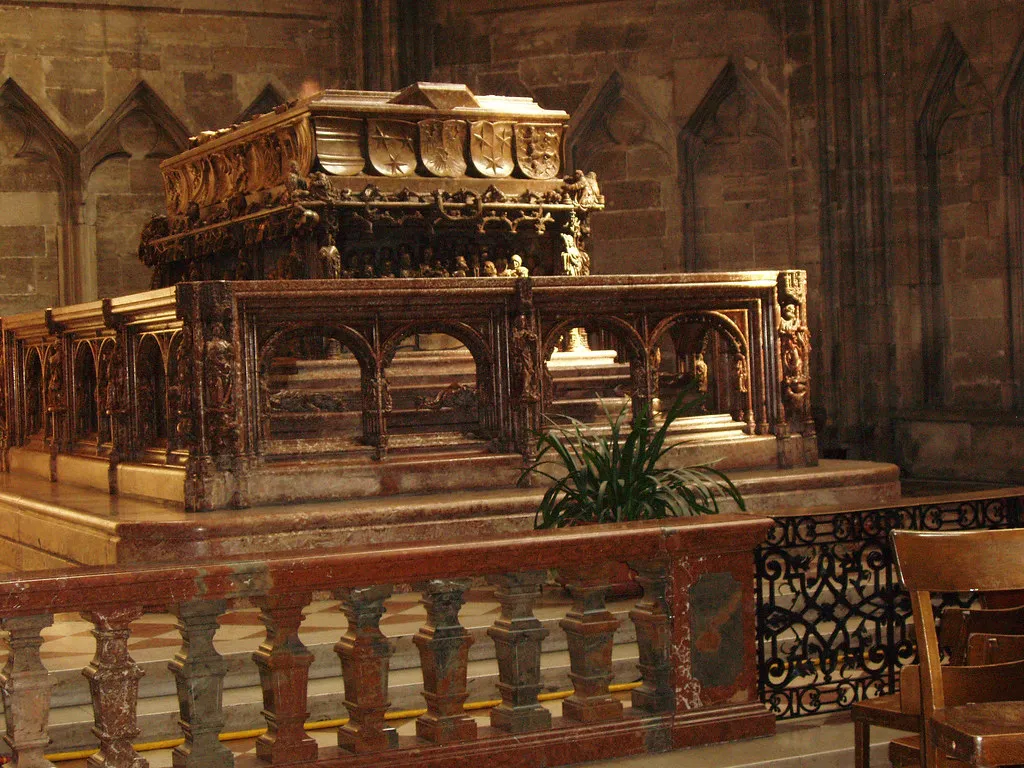
At first glance, visitors notice scale; with time, they notice language. Capitals, reliefs, funerary inscriptions, stained glass motifs, and devotional sculpture form a dense visual system that once educated, warned, and inspired worshippers. Many details are easy to miss in a quick visit, yet together they reveal sophisticated conversations between theology, political patronage, and workshop artistry.
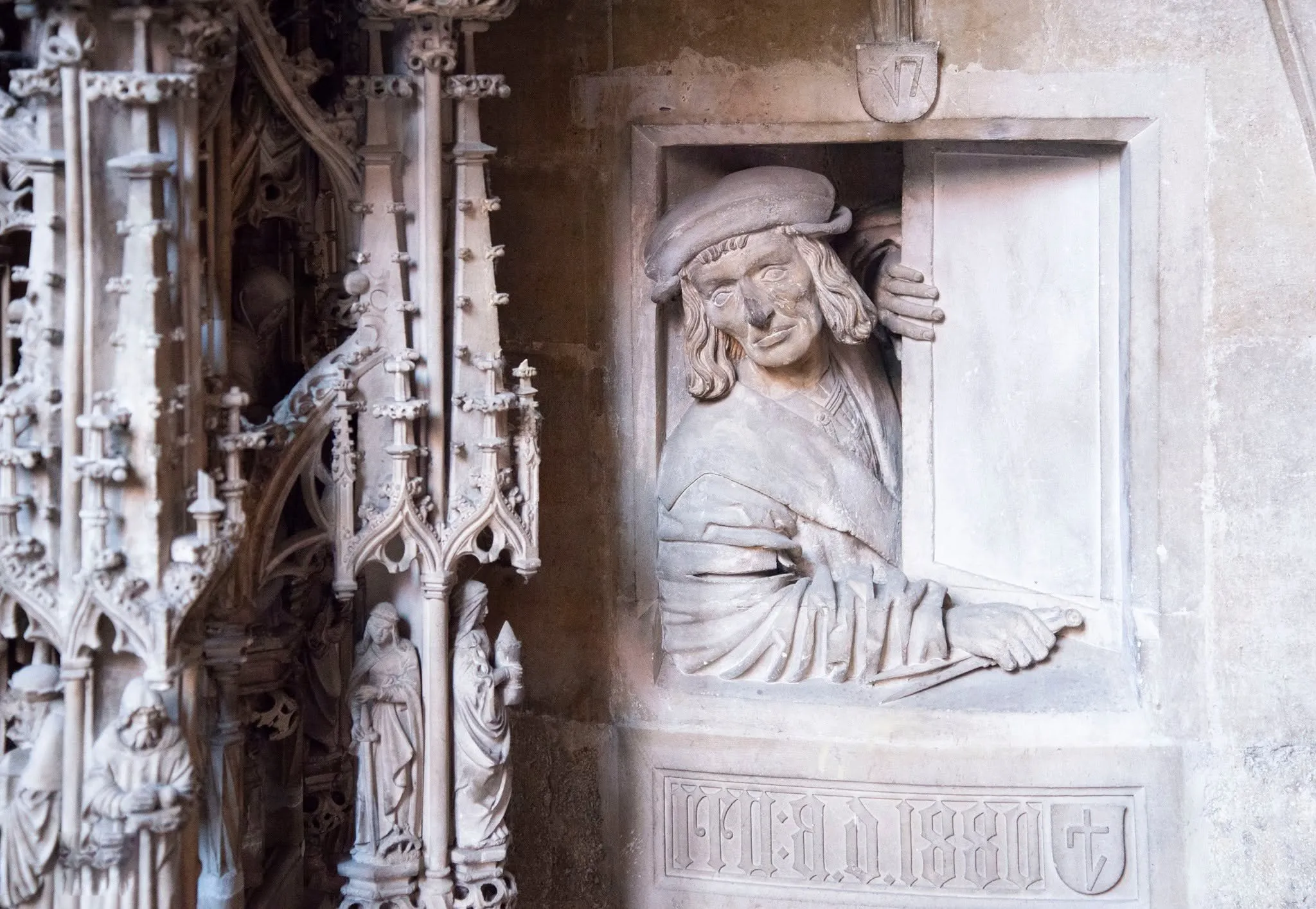
Taking a slower approach uncovers surprising intimacy: weathered faces in stone, symbolic creatures at architectural junctions, and memorials that preserve individual stories within vast historical currents. These details are why repeat visits are rewarding. Stephansdom does not reveal itself all at once; it invites careful return, each time offering another thread in its narrative fabric.
How to read the cathedral today
Modern visitors arrive with different goals: spiritual reflection, architectural curiosity, photography, family travel, or historical research. The cathedral accommodates all of these, but it helps to visit with an interpretive plan. Start by observing spatial hierarchy, from entrance threshold to high altar, then map vertical elements like vaulting and towers, and finally focus on selected chapels for iconographic detail.
This method turns a potentially overwhelming monument into a coherent experience. It also aligns with how the building evolved historically: as a sequence of additions, reworkings, and negotiated meanings rather than a fixed, single-era composition. In other words, reading Stephansdom well means embracing complexity, not reducing it to one postcard viewpoint.
Conservation in a living monument
Conserving St. Stephen's Cathedral is an ongoing responsibility shaped by pollution, weather, structural stress, and mass tourism. Specialists continuously monitor stone decay, moisture behavior, and material compatibility, balancing historical authenticity with practical safety. This work is often invisible to casual visitors, yet it determines whether future generations will inherit a readable and stable monument.
Because the cathedral remains an active religious site, conservation cannot freeze the building in time. Instead, it must support living use while respecting inherited fabric. That tension, between continuity and adaptation, is one of the most fascinating aspects of Stephansdom: it is preserved not as a dead object, but as an inhabited institution with ongoing ritual, social, and educational functions.
Stephansdom in modern Vienna
Today, the cathedral sits at a crossroads of global tourism, local devotion, and metropolitan everyday rhythm. Commuters pass the square daily, street performers animate the edges, and visitors from around the world gather under the same roof. This coexistence gives the site unusual energy: it is neither isolated shrine nor simple attraction, but a shared urban reference that different publics interpret in their own way.
Seasonal events, Advent atmosphere, public commemorations, and ordinary weekday services all reinforce this role. Even brief visits can reveal how naturally Stephansdom bridges scales, from intimate prayer to international symbolism. In contemporary Vienna, it remains one of the few places where historical depth and present-day life are continuously visible at the same moment.
Why this cathedral still moves visitors
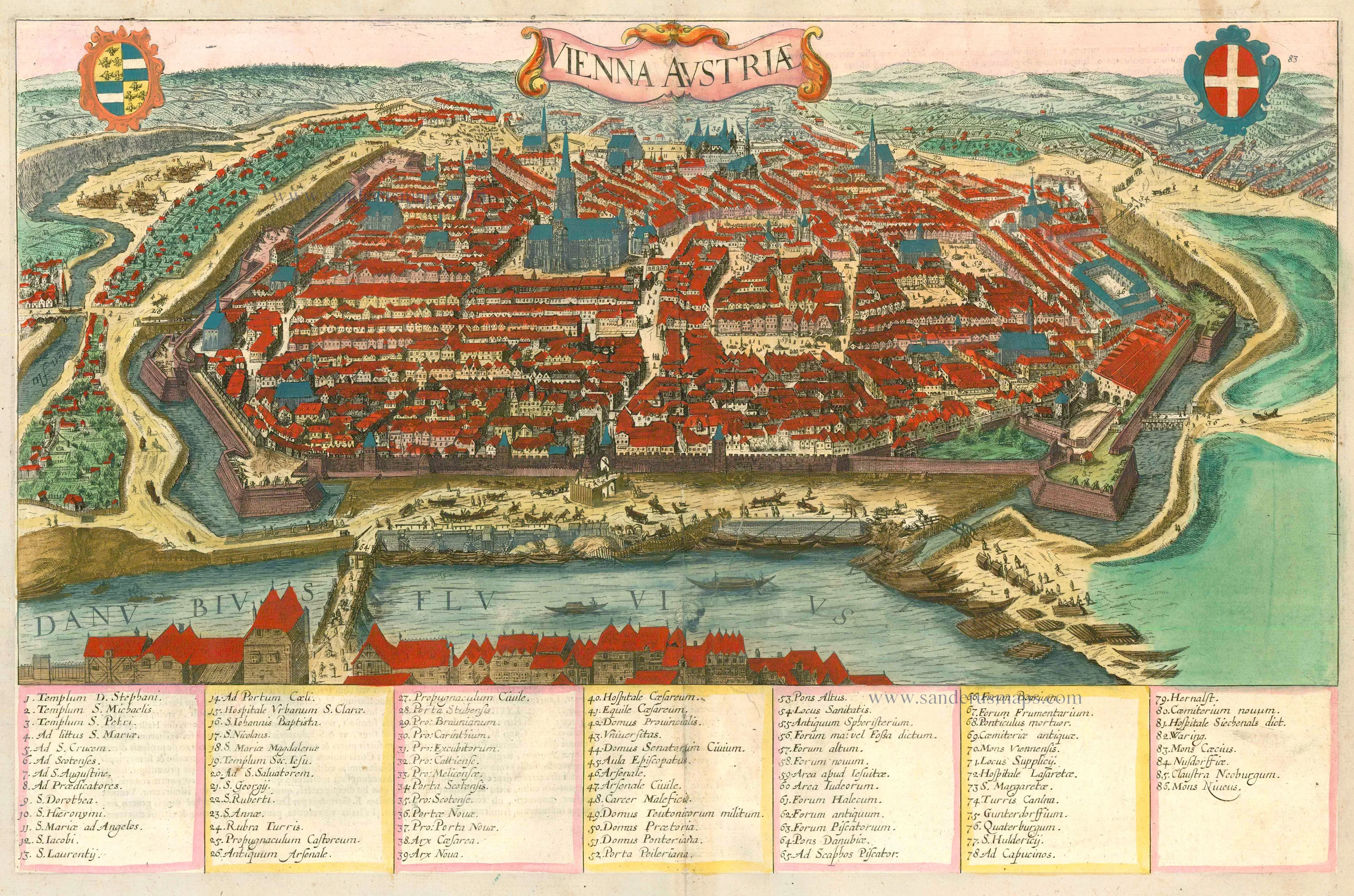
St. Stephen's Cathedral endures in memory because it combines opposites without contradiction: grandeur and fragility, ceremony and everyday life, permanence and repair. Its stones carry traces of ambition, conflict, devotion, and renewal, and visitors often sense this layered humanity even without specialist knowledge. The building does not ask for perfect expertise; it asks for attention, and it rewards that attention generously.
By the time many people leave Stephansplatz, they realize they have not simply visited a landmark. They have encountered a condensed history of Vienna itself, told through architecture, ritual, sound, and survival. That is why Stephansdom remains more than a famous monument. It is a living narrative space where past and present keep meeting, and where each visitor adds one quiet chapter of their own.
Table of Contents
From Romanesque roots to Gothic ambition
Long before the cathedral became Vienna's unmistakable skyline marker, this site held earlier sacred structures tied to the growth of the medieval settlement. The first substantial church here emerged in the Romanesque period, when Vienna was still defining its political and commercial role in Central Europe. As the city gained influence through trade routes and dynastic power, the church's role expanded from local parish center to an institution closely woven into civic identity and public ritual.
What visitors see today is the result of long architectural ambition rather than a single construction campaign. Over generations, Romanesque foundations were absorbed into a bold Gothic vision, with masons, sculptors, and patrons continuously reshaping the structure. The result is not just a monument but a layered document in stone, where different centuries speak to each other through arches, towers, and carved programs that still communicate ideas about faith, authority, and communal memory.
The medieval city grows around Stephansplatz
In medieval Vienna, the cathedral was not merely a backdrop but a true urban anchor. Markets, guild traffic, legal announcements, and processions unfolded in the surrounding streets, while church bells structured daily rhythms from dawn to evening. The square around Stephansdom became a place where sacred and practical life intertwined naturally: merchants negotiated contracts nearby, pilgrims arrived with hopes and offerings, and residents marked life's milestones within the church walls.
As fortifications shifted and neighborhoods expanded, the cathedral remained a constant reference point both physically and symbolically. Even today, walking through the old center, it is easy to sense this continuity. The same square that welcomes modern metro commuters and café-goers once hosted medieval pageantry and urgent civic decisions, reminding visitors that Vienna's present-day elegance stands on an intensely lived and often complex urban past.
Craft guilds, merchants, and cathedral life
The cathedral's development depended on a broad social ecosystem: clergy, noble patrons, skilled stoneworkers, carpenters, glaziers, metalworkers, and transport laborers who supplied massive quantities of material. Guild structures influenced both the speed and quality of construction, and competition among workshops often pushed technical innovation. Decorative choices were not arbitrary; they communicated theology, civic aspirations, and social hierarchy in a language that medieval audiences understood immediately.
For merchants and craftsmen, supporting the cathedral could be an act of piety, prestige, and practical reputation at once. Chapels and memorial donations created enduring links between families, trades, and sacred space. This fusion of devotion and urban economy is part of what gives Stephansdom its unusual vitality: it was never a detached royal project alone, but a structure nourished by many layers of Viennese society across centuries.
The South Tower and civic pride
The South Tower, often the image people associate first with Stephansdom, represented far more than architectural bravado. In late medieval Europe, vertical building was a statement about spiritual aspiration and civic confidence, and Vienna's tower projected both. Its intricate stonework, commanding height, and visual dominance over the city announced that Vienna was not peripheral but central to regional political and cultural currents.
Climbing the tower today, visitors physically retrace a symbolic ascent that once carried theological meaning and social status. From above, the patterned roof, old lanes, and later imperial avenues reveal how the city accumulated in layers. The view clarifies a key historical truth: St. Stephen's is not an isolated relic but an active participant in Vienna's long urban narrative.
Imperial rites and Habsburg Vienna
As Habsburg influence deepened, the cathedral gained additional political resonance. Ceremonies linked to dynastic life, public mourning, military crisis, and thanksgiving reinforced the church's role as a stage where religion and statecraft met. Even when imperial institutions shifted geographically or administratively, Stephansdom remained one of the spaces where power was ritualized before the public eye.
This did not erase its parish dimension; rather, the building held both scales at once. A grand liturgy could unfold for elite audiences while ordinary Viennese continued to baptize children, attend mass, and seek consolation in side chapels. That dual role, imperial and intimate, helps explain why the cathedral still carries emotional weight for very different communities today.
Music, memory, and sacred ceremony
Like many major Central European churches, St. Stephen's has long been a place where architecture and sound shape each other. Organ music, choral traditions, and liturgical acoustics transformed ceremonies into immersive experiences, imprinting memory through resonance as much as through words. For generations, major feast days and civic moments were remembered not only by visual spectacle but by the soundscape that filled the nave.
Visitors today still notice this immediately: even a brief musical passage can make the vast interior feel deeply personal. In this sense, the cathedral's history is not only written in archives and masonry but also in repeated acts of listening, singing, and collective silence. These intangible layers are part of what makes the site feel alive rather than museum-like.
Fire, war, and reconstruction
One of the defining modern chapters in the cathedral's story is destruction and rebuilding in the final phase of the Second World War. Fire severely damaged parts of the structure, including the famous roof, and the loss was experienced by many as a symbolic wound to the city itself. In the difficult post-war years, reconstruction became both a technical challenge and a public act of cultural recovery.
The restoration process required engineering precision, artistic discipline, and social commitment, as communities, institutions, and specialists worked to recover not just a building but a shared reference point. When visitors admire the roof today, they are seeing a crafted continuity between past and present, where conservation choices acknowledge historical trauma while affirming the cathedral's ongoing role in Viennese life.
Catacombs, burials, and urban reality
Below the monumental interior lies a less visible but equally important historical layer: the catacombs and burial zones linked to earlier public health crises, religious customs, and social stratification. These spaces remind us that pre-modern cities confronted mortality very directly. During epidemic periods and demographic pressure, burial practices reflected both necessity and belief, creating underground records of urban resilience and vulnerability.
A guided catacomb visit often changes the way people understand the cathedral. The building above, luminous and ceremonial, is inseparable from the realities below: illness, grief, hierarchy, and communal remembrance. This contrast is one of Stephansdom's most powerful interpretive dimensions, and it offers a grounded perspective on how sacred architecture functioned within everyday life.
Art, symbolism, and hidden details
At first glance, visitors notice scale; with time, they notice language. Capitals, reliefs, funerary inscriptions, stained glass motifs, and devotional sculpture form a dense visual system that once educated, warned, and inspired worshippers. Many details are easy to miss in a quick visit, yet together they reveal sophisticated conversations between theology, political patronage, and workshop artistry.
Taking a slower approach uncovers surprising intimacy: weathered faces in stone, symbolic creatures at architectural junctions, and memorials that preserve individual stories within vast historical currents. These details are why repeat visits are rewarding. Stephansdom does not reveal itself all at once; it invites careful return, each time offering another thread in its narrative fabric.
How to read the cathedral today
Modern visitors arrive with different goals: spiritual reflection, architectural curiosity, photography, family travel, or historical research. The cathedral accommodates all of these, but it helps to visit with an interpretive plan. Start by observing spatial hierarchy, from entrance threshold to high altar, then map vertical elements like vaulting and towers, and finally focus on selected chapels for iconographic detail.
This method turns a potentially overwhelming monument into a coherent experience. It also aligns with how the building evolved historically: as a sequence of additions, reworkings, and negotiated meanings rather than a fixed, single-era composition. In other words, reading Stephansdom well means embracing complexity, not reducing it to one postcard viewpoint.
Conservation in a living monument
Conserving St. Stephen's Cathedral is an ongoing responsibility shaped by pollution, weather, structural stress, and mass tourism. Specialists continuously monitor stone decay, moisture behavior, and material compatibility, balancing historical authenticity with practical safety. This work is often invisible to casual visitors, yet it determines whether future generations will inherit a readable and stable monument.
Because the cathedral remains an active religious site, conservation cannot freeze the building in time. Instead, it must support living use while respecting inherited fabric. That tension, between continuity and adaptation, is one of the most fascinating aspects of Stephansdom: it is preserved not as a dead object, but as an inhabited institution with ongoing ritual, social, and educational functions.
Stephansdom in modern Vienna
Today, the cathedral sits at a crossroads of global tourism, local devotion, and metropolitan everyday rhythm. Commuters pass the square daily, street performers animate the edges, and visitors from around the world gather under the same roof. This coexistence gives the site unusual energy: it is neither isolated shrine nor simple attraction, but a shared urban reference that different publics interpret in their own way.
Seasonal events, Advent atmosphere, public commemorations, and ordinary weekday services all reinforce this role. Even brief visits can reveal how naturally Stephansdom bridges scales, from intimate prayer to international symbolism. In contemporary Vienna, it remains one of the few places where historical depth and present-day life are continuously visible at the same moment.
Why this cathedral still moves visitors
St. Stephen's Cathedral endures in memory because it combines opposites without contradiction: grandeur and fragility, ceremony and everyday life, permanence and repair. Its stones carry traces of ambition, conflict, devotion, and renewal, and visitors often sense this layered humanity even without specialist knowledge. The building does not ask for perfect expertise; it asks for attention, and it rewards that attention generously.
By the time many people leave Stephansplatz, they realize they have not simply visited a landmark. They have encountered a condensed history of Vienna itself, told through architecture, ritual, sound, and survival. That is why Stephansdom remains more than a famous monument. It is a living narrative space where past and present keep meeting, and where each visitor adds one quiet chapter of their own.